A Guide to Payday Loans: Advantages, Disadvantages, and Alternatives
Payday loans have emerged as a popular financial resource for many seeking quick cash. Such short-term borrowing options can offer instant financial assistance but frequently carry high interest rates and demanding repayment terms. While they may seem like a viable option for some, the underlying dangers may result in more serious financial difficulties. Understanding both the advantages and disadvantages is essential. Which alternative approaches could present a more stable financial path? What you discover could be quite unexpected.
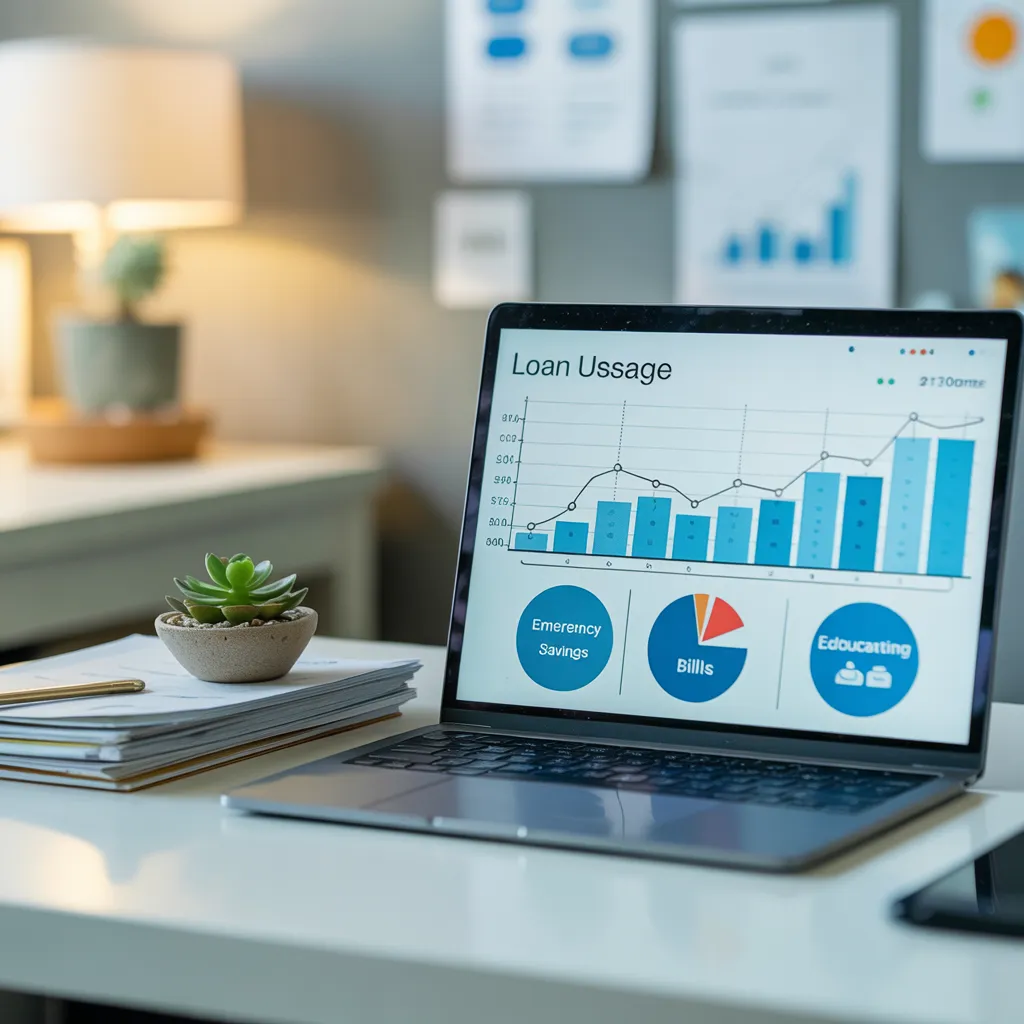
What Are Payday Loans and How Do They Operate?
Payday lending products are short-term, high-interest financial products intended to offer immediate cash to applicants encountering unexpected expenses. Typically, these loans range from $100 to $1,000 and are designed to handle financial obligations until the recipient obtains their following paycheck. The request process is typically uncomplicated, often requiring minimal documentation, which appeals to those in dire financial situations.
Borrowers typically write a postdated check or approve an electronic withdrawal for the loan amount plus fees, which can be substantial. The payback period usually extends over two to four weeks, corresponding to the borrower's upcoming payday. Failure to repay the loan on time can lead to additional fees and potential cycles of debt, as borrowers may need to take out new loans to cover old ones. Understanding the mechanics of payday loans is vital for individuals considering this option as a rapid monetary solution.
The Risks of Payday Loans You Need to Know?
Even though payday loans can look like an easy answer to financial hardships, they come with significant risks that can compound a borrower's existing difficulties. Excessive interest rates are a key worry, often exceeding 400% annually, resulting in unmanageable repayment totals. Many borrowers find themselves trapped in a cycle of debt, securing additional loans to cover existing ones, leading to mounting financial pressure. Moreover, the brief repayment window—commonly no more than two weeks—can push borrowers toward rushed choices without fully understanding the terms. Missed payments can attract extra charges, adding more complexity to financial situations. Moreover, payday loans can harm credit standings if installments are not met, narrowing available credit choices. Borrowers should also be aware of forceful debt recovery tactics that may arise when loans are not repaid on time. These concerns emphasize the value of examining available alternatives prior to selecting a payday loan.
The Advantages of Payday Loans
Payday loans offer numerous benefits that make them attractive to borrowers seeking fast financial assistance. With swift access to funds and few qualification requirements, they can serve as a viable option for those facing urgent financial situations. Furthermore, versatile repayment options can help borrowers manage their obligations more effectively.
Instant Access to Funds
Accessing quick cash can be a significant advantage for individuals facing unforeseen bills or financial hardships. Payday loans offer a fast solution, frequently delivering money within one business day. This urgency can prove critical for those needing to cover urgent bills, medical expenses, or car repairs. In contrast to conventional loans, which often require extended review periods, payday lending solutions usually demand fewer documents and allow online applications. This expedited access allows borrowers to address their financial needs swiftly, reducing the stress associated with overdue payments. Moreover, the flexibility of securing money at a moment's notice can make payday loans an appealing option for individuals facing monetary difficulties, enabling them to regain control of their financial situation more rapidly.
Essential Qualification Requirements
Numerous people discover the limited application prerequisites of short-term loans attractive, as these financial options typically demand less documentation and fewer eligibility criteria than traditional financing options. Individuals typically need to present evidence of earnings and identification documents, making the application process straightforward. This accessibility is particularly beneficial for borrowers with minimal credit backgrounds or unfavorable credit standings who might find it difficult to secure traditional financing. Furthermore, payday lenders frequently do not conduct extensive credit checks, permitting more rapid availability of financial resources. This accessible method can act as a financial safety net for borrowers dealing with pressing monetary demands, enabling them to secure cash without the lengthy approval times linked to conventional banking establishments. Consequently, reduced eligibility criteria serve a broad spectrum of applicants.
Adaptable Repayment Solutions
Versatile repayment structures are a significant perk of payday loans, enabling borrowers to customize their repayment schedules according to their individual financial circumstances. Many lenders offer varied terms, allowing borrowers to select a payment plan that aligns with their pay dates. This versatility can reduce the pressure of swift repayment, offering borrowers the ability to oversee their financial obligations more skillfully. Moreover, select lenders may accommodate changes or revisions to the repayment schedule, addressing unforeseen shifts in a borrower's financial situation. This flexibility can prove vital for people dealing with short-term financial difficulties, as it creates a repayment experience that is more feasible and less stressful, ultimately promoting a healthier approach to borrowing and financial responsibility.
Who Might Benefit From Taking a Payday Loan?
Individuals dealing with urgent financial hardships might consider payday advances to be a viable option for quick financial assistance. Those with minimal exposure to conventional lending options commonly rely on these borrowing options to cover urgent expenses. Knowing the situations that warrant such a decision is critical for sound financial decision-making.
Financial Hardships and Emergency Needs
Financial emergencies can arise unexpectedly, forcing people to seek fast monetary assistance. Those confronted with abrupt healthcare bills, automobile maintenance costs, or unanticipated charges may consider payday loans as a viable option. These financial products deliver quick access to capital, typically without extensive credit checks, making them attractive to individuals with restricted financial means. However, it is important to recognize that payday loans often come with high interest rates and short repayment terms. As a result, they may not be suitable for everyone. Those with a reliable income and a solid repayment plan may find these loans workable, while some may compound their monetary challenges. Assessing the advantages and drawbacks is critical before committing to a payday loan.
Limited Access to Credit
A large number of people dealing with a lack of credit access might look into payday loans as a potential solution for their pressing financial circumstances. Those with unfavorable credit backgrounds, those lacking traditional banking relationships, or people who fail to meet traditional loan requirements regularly discover themselves in situations where payday loans look like a reasonable choice. These financial products deliver fast availability of money without extensive credit checks, making them accessible for people experiencing acute monetary difficulties. However, borrowers should be cautious, as high interest rates and short repayment periods can lead to a cycle of debt. As a result, borrowers should carefully evaluate the benefits and drawbacks and consider additional alternatives, such as cooperative financial institutions or local support initiatives, before proceeding with a payday loan agreement.
Examining Alternatives to Payday Loans
How can borrowers find relief without resorting to payday loans? A number of options are available that can offer the required financial support without the steep fees linked to payday loans. Many credit unions supply small, affordable loans specifically crafted for members dealing with urgent financial situations. Moreover, personal loans sourced from reputable banks or web-based lenders can deliver more attractive terms, permitting borrowers to manage repayment over a more comfortable duration.
Another option is negotiating payment plans with creditors, which can alleviate immediate financial pressure read the facts without incurring new debt. Furthermore, community organizations and non-profits may have emergency support programs available to assist individuals facing hardship. For those who can turn to loved ones, seeking a personal loan from them may be an effective method to avoid high-interest loans. Considering these options can empower borrowers to make informed choices, ultimately leading to better financial stability and decreased dependence on exploitative loan products.
Making Wise Financial Decisions Regarding Payday Loans
Managing the intricacies of payday loans requires careful consideration and awareness. Individuals seeking financial relief must evaluate their current financial situations and determine if a payday loan is truly needed. Grasping the substantial interest rates and likelihood of debt traps is essential before proceeding.
Exploring different creditors can further provide perspective into loan terms, helping applicants arrive at well-considered determinations. Comparing other options, such as personal loans or credit counseling, can generate improved financial results.
Furthermore, applicants should carefully consider their financial ability to meet repayments to prevent additional financial burden. Establishing a budget and pursuing alternative income opportunities can mitigate the need for quick loans.
In the end, making well-informed financial decisions regarding payday loans requires prioritizing long-term financial wellness over short-term solutions. Careful borrowing, combined with a thorough understanding of the related risks, can enable individuals to manage their financial difficulties more successfully.
Questions Our Clients Frequently Ask
What Are the Standard Repayment Terms for Payday Loans?
Standard repayment periods for payday loans fall between two weeks and a month. Borrowers are generally required to repay the entire loan amount along with fees by their next payday, creating financial pressure for many who struggle to repay on time.
How Do Payday Loan Costs Stack Up Against Other Borrowing Alternatives?
Payday loan fees are often considerably higher than the fees charged by traditional bank loans and credit cards. This difference makes payday loans an expensive borrowing choice, creating potential financial pressure for those seeking immediate cash.
Am I Able to Refinance a Payday Loan?
Refinancing a payday loan is indeed possible, usually by securing a new loan that covers the outstanding balance. However, borrowers should consider the potential for increased fees and interest, which might intensify existing financial hardships.
Do All States Allow Payday Loans?
Payday loans are not legal in all states. Rules differ significantly, with a number of states outlawing them altogether, while some states apply rigorous restrictions on interest rates and lending procedures, ensuring consumer protection in the process.
What Are the Consequences if I Can't Pay Back a Payday Loan on Time?
When a borrower is unable to repay a payday loan on schedule, they might be subject to added fees, experience growing debt, or experience collection actions. This scenario has the potential to damage their credit rating and financial well-being.